Living with ADHD noise sensitivity means that everyday background sounds are rarely just background noise. Ticking clocks, humming fluorescent lights, distant traffic, or whispered conversations can capture your attention, trigger physical tension, or cause sudden emotional exhaustion. For many neurodivergent adults and children, auditory overload is one of the most challenging yet misunderstood aspects of daily executive function struggles.
Research suggests that attention deficit hyperactivity disorder affects how the brain filters sensory information. While neurotypical brains automatically suppress low-priority ambient sounds, an ADHD brain often processes all incoming auditory signals with equal urgency. Managing ADHD noise sensitivity requires a combination of environmental adjustments, clear personal boundaries, and effective hearing protection gear designed to reduce auditory strain without isolating you from the world.
As an Amazon Associate we earn from qualifying purchases.
The Short Answer
For quick relief from ADHD noise sensitivity, selecting the right gear and coping strategies can immediately lower daily stress and improve concentration. Here is a summary of top recommendations:
- Best earplugs for low-profile noise reduction: Loop Quiet 2 Ear Plugs offer 24 dB SNR noise reduction in flexible silicone, perfect for focus, travel, and sleep.
- Best earmuffs for maximum sound isolation: ProCase Hearing Protection Ear Muffs feature SNR 33dB attenuation and padded ear cups for deep focus during intense study or high-noise tasks.
- Best companion sensory tools: The Pushpeel Sensory Activity Board and Yescool Weighted Throw Blanket help soothe the nervous system when auditory overload strikes.
Explore our complete collection of practical tools on the Aids and Tools category page.
At-a-Glance: Noise Protection and Calming Gear
Comparing gear for sensory regulation helps you choose the best combination for your lifestyle:
| Gear Category | Primary Benefit | Best Environment | Key Product Pick |
|---|---|---|---|
| Passive Earplugs | Discreet attenuation (up to 24 dB) | Office, travel, sleeping, social settings | Loop Quiet 2 Ear Plugs |
| Hearing Earmuffs | Maximum noise blocking (SNR 33dB) | Home study, heavy machinery, high-noise zones | ProCase Ear Muffs |
| Tactile Fidgets | Silent sensory redirection | Desks, classrooms, calming corners | Pushpeel Board |
| Weighted Gear | Deep pressure grounding | Rest periods, evening wind-down | Yescool Blanket |
Why the ADHD Brain Struggles with Noise
Research suggests that ADHD noise sensitivity stems from a breakdown in the brain's sensory gating mechanism. In neurotypical brains, the thalamus acts as a selective filter, dampening repetitive or irrelevant auditory signals like the hum of a refrigerator or footsteps in a hallway. In an ADHD brain, dopamine and norepinephrine dysregulation impairs this filtering process. As a result, every sound enters conscious awareness with full emotional and cognitive weight.
When evaluating ADHD noise sensitivity, neuroscientists point to executive function demands. Because working memory is already working hard to keep tasks on track, unpredictable noise creates an immediate cognitive tax. The brain must constantly re-orient itself after every interruption, leading to rapid mental fatigue, irritability, and reduced task persistence.
Key factors that compound auditory sensory issues include:
- Lack of predictability: Sudden, sharp, or irregular sounds trigger a stronger startle response than continuous rhythm.
- Multiple competing sources: Environments with simultaneous conversations or background music force the brain into constant auditory sorting.
- Existing cognitive exhaustion: Sensory tolerance drops significantly late in the day or after long periods of focused work.
Misophonia vs. Hyperacusis in ADHD: Recognizing the Symptoms
A major component of ADHD noise sensitivity involves how specific sounds trigger emotional and physiological reactions. Two distinct conditions frequently co-occur with ADHD: misophonia and hyperacusis. Understanding the difference between these experiences is essential for finding effective relief.
Misophonia is characterized by a strong emotional reaction (such as anger, irritation, or anxiety) to specific trigger sounds. Common triggers include chewing, repetitive tapping, typing, or heavy breathing. The brain perceives these sounds not merely as loud, but as intrusive and intolerable.
Hyperacusis, by contrast, is an heightened sensitivity to sound volume itself. Everyday sounds that others perceive as normal (such as clinking silverware, a vacuum cleaner, or loud laughter) feel uncomfortably or painfully loud. Both conditions contribute to auditory overwhelm and can leave individuals feeling constantly on edge.
Recognizing the signs of ADHD noise sensitivity can help you take action before reaching full sensory overload. Common indicators include:
- Immediate muscle tension or elevated heart rate in noisy places.
- An urgent urge to flee crowded or acoustically harsh rooms.
- Inability to follow a single conversation when ambient noise is present.
- Snapping at loved ones after enduring prolonged background noise.
Everyday Coping Strategies for ADHD Noise Sensitivity
Developing proactive routines for ADHD noise sensitivity allows you to preserve mental energy and protect your focus throughout the day. Rather than waiting for overload to occur, implement structured habits that keep your auditory environment within comfortable limits.
Consider incorporating these practical coping strategies:
- Designate quiet recovery zones: Create a space at home or work where background sounds are minimized. Use soft furnishings, rugs, or heavy curtains to dampen acoustic echoes.
- Implement an auditory diet: Balance intense sound exposures with deliberate periods of silence or calming white noise. Scheduled quiet breaks give the nervous system time to reset.
- Communicate boundaries clearly: Inform family members or coworkers about your sensory needs. Explaining that wearing earplugs helps you concentrate (rather than ignoring them) fosters understanding.
- Pair noise reduction with grounding fidgets: During high-stress tasks, combining physical fidgeting with reduced noise helps channel restless energy constructively.
Another key strategy for ADHD noise sensitivity is setting clear limits during social gatherings or busy workdays. If a room feels overwhelming, step outside for five minutes to reset your sensory baseline. For additional calming tools, check the Aids and Tools section.
The ADHD Noise Protection Gear Guide: Earplugs vs. Muffs vs. ANC
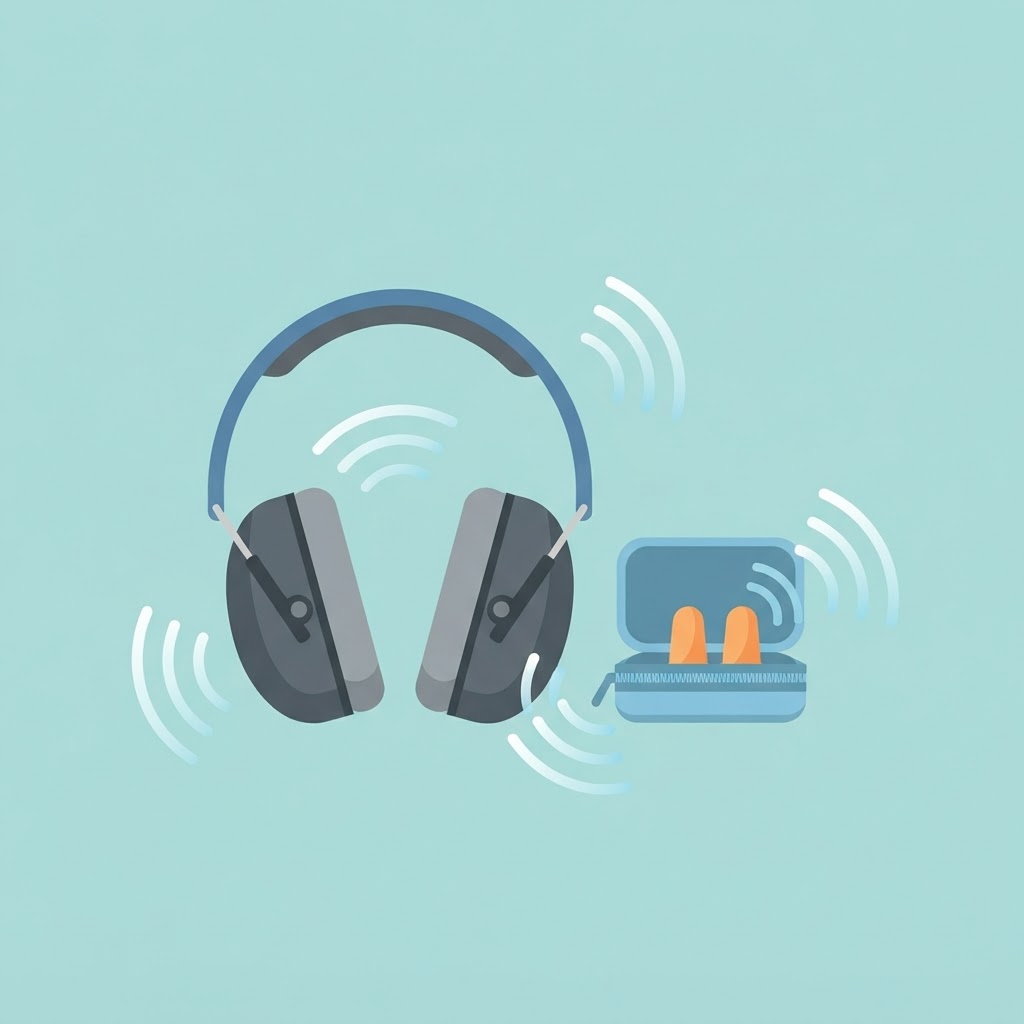
Choosing gear specifically for ADHD noise sensitivity depends on your environment, comfort preferences, and how much sound reduction you need. Understanding the pros and cons of earplugs, earmuffs, and active noise cancellation (ANC) ensures you select the right tool for each scenario.
1. Passive Silicone Earplugs
Earplugs fit directly inside the ear canal to reduce sound levels across all frequencies. Modern reusable models, such as the Loop Quiet 2 Ear Plugs, use flexible, lightweight silicone to offer up to 24 dB (SNR) noise reduction. They come with multiple tip sizes (XS to L) to ensure a snug fit without painful pressure. Earplugs are ideal for subtle everyday wear, social situations, traveling, and side-sleeping. Check the current price on the product page.
2. Over-Ear Hearing Protection Muffs
Over-ear earmuffs, such as the ProCase Hearing Protection Ear Muffs, provide high-attenuation defense for severe ADHD noise sensitivity. Featuring a certified SNR 33dB / NRR 28dB rating, thick sound-dampening sponge cushions, and an adjustable headband, they create a physical barrier around the outer ear. Earmuffs are perfect for intense focus sessions at home, study halls, or loud working environments where maximum sound blockade is required.
3. Active Noise Canceling (ANC) Headphones
Active noise canceling devices use built-in microphones to pick up low-frequency ambient noise (like engine hums or fan motors) and generate inverse sound waves to neutralize them. While ANC headphones excel at smoothing out constant background drones, some individuals with sensory issues notice a subtle 'cabin pressure' sensation in their ears. Combining ANC headphones with passive earplugs or switching between devices gives you complete control over your soundscape.
4. Complementary Sensory Tools
Managing sensory overload often requires more than just blocking sound. Silent tactile fidgets like the Pushpeel Sensory Activity Board provide quiet tactile engagement without disturbing others. Similarly, deep pressure tools like the Yescool Weighted Throw Blanket help calm an overstimulated nervous system after a long day of noise exposure. Always talk to a healthcare professional if sensory overload significantly interferes with your daily activities.
How to Choose the Right Ear Protection for Your Daily Routine
When selecting tools for ADHD noise sensitivity, consider your primary environments, sensory preferences, and daily routines. No single product solves every noise challenge, so building a versatile sensory toolkit is often the most effective approach.
Keep these key criteria in mind when choosing gear:
- Comfort and Fit: Ensure earplugs include customizable tip sizes, or that earmuffs feature soft, breathable ear cushions to prevent pressure headaches.
- Noise Reduction Rating (NRR/SNR): Choose 15-24 dB attenuation for situational awareness (like office work or parenting) and 28-33 dB for high-noise isolation.
- Portability: Look for foldable earmuffs or earplugs with compact carrying cases so protection is always within reach in your bag or pocket.
- Ease of Maintenance: Reusable silicone earplugs and wipeable earmuff materials ensure long-lasting hygienic use.
Frequently Asked Questions
Common questions regarding sensory overload and noise management in ADHD:
Why does ADHD cause high sensitivity to noise?
Research suggests that ADHD affects the brain's executive functioning and sensory gating mechanisms. Instead of filtering out irrelevant background sounds, the brain processes multiple audio streams at once, leading to cognitive fatigue and overstimulation.
Is misophonia the same as ADHD noise sensitivity?
While they frequently co-occur, they are distinct conditions. Misophonia involves intense emotional reactions to specific trigger sounds (like chewing or clicking), whereas understanding ADHD noise sensitivity helps distinguish broader auditory overload caused by overall filtering deficits.
Can earplugs help with ADHD focus and studying?
Yes. By dampening background distractions, earplugs reduce the cognitive load required to stay on task. Using comfortable silicone earplugs during work or study blocks helps maintain attention and prevents sudden disruptions.
Should I use earmuffs, earplugs, or active noise canceling headphones?
It depends on your needs. Earplugs offer discreet, portable protection for public spaces. Earmuffs provide maximum sound blocking for intense focus at home. ANC headphones are excellent for continuous low-frequency hums. Many adults combine ear protection with sensory tools to manage ADHD noise sensitivity on multiple levels.
What should I do when I experience sudden noise overload?
Step into a quiet room, put on noise-dampening ear gear, and practice deep breathing or use a tactile fidget to re-ground your nervous system. Giving yourself permission to take brief quiet breaks prevents full sensory burnout.
The Bottom Line
Managing ADHD noise sensitivity is not about hiding from the world; it is about building a supportive auditory environment that honors your brain's unique processing style. By understanding how sensory filtering works, implementing daily coping strategies, and equipping yourself with comfortable hearing protection, you can reduce mental exhaustion and keep your focus where it belongs.
Explore our curated selection of earplugs, noise-reducing earmuffs, and sensory calming tools to find the ideal gear for your daily needs. Taking control of your soundscape is one of the most immediate ways to support your neurodivergent wellbeing.
New to ADHD? Start Here
Every guide on this site is part of one bigger picture. If you're new to ADHD (or supporting someone who is), read our complete guide Understanding ADHD: Causes, Symptoms, and Treatment - it covers what ADHD is, how it's diagnosed, and the treatment options that actually work, from medication and therapy to daily strategies.