Falling asleep when your mind is running at a hundred miles per hour is one of the most frustrating challenges of living with attention deficit hyperactivity disorder. For adults and children alike, lying in bed with a racing brain often leads to hours of tossing and turning. If you have been searching for an effective weighted blanket ADHD sleep solution, you are far from alone. Deep pressure therapy has gained massive popularity as a natural way to calm restless bodies and quiet overworked minds before bedtime.
In this guide, we examine how weighted blankets work, what scientific research says about their effectiveness for neurodivergent sleep, how to select the proper size using the standard 10% weight rule, and critical safety guidelines. We also highlight key sensory tools from our ADHD Aids and Tools collection to help you build a restful evening routine.
As an Amazon Associate we earn from qualifying purchases.
The Short Answer
The Short Answer: Yes, research suggests that a weighted blanket ADHD routine can significantly improve sleep quality and ease bedtime restlessness. By providing gentle, distributed pressure across the body, a weighted blanket ADHD setup stimulates proprioceptive receptors, promoting nervous system relaxation and reducing night awakenings. However, they are not a medical cure. For optimal results, combine a properly sized weighted blanket (10% of body weight) with consistent sleep hygiene, sensory regulation tools, and advice from a healthcare professional.
What Are Weighted Blankets and Deep Touch Pressure?
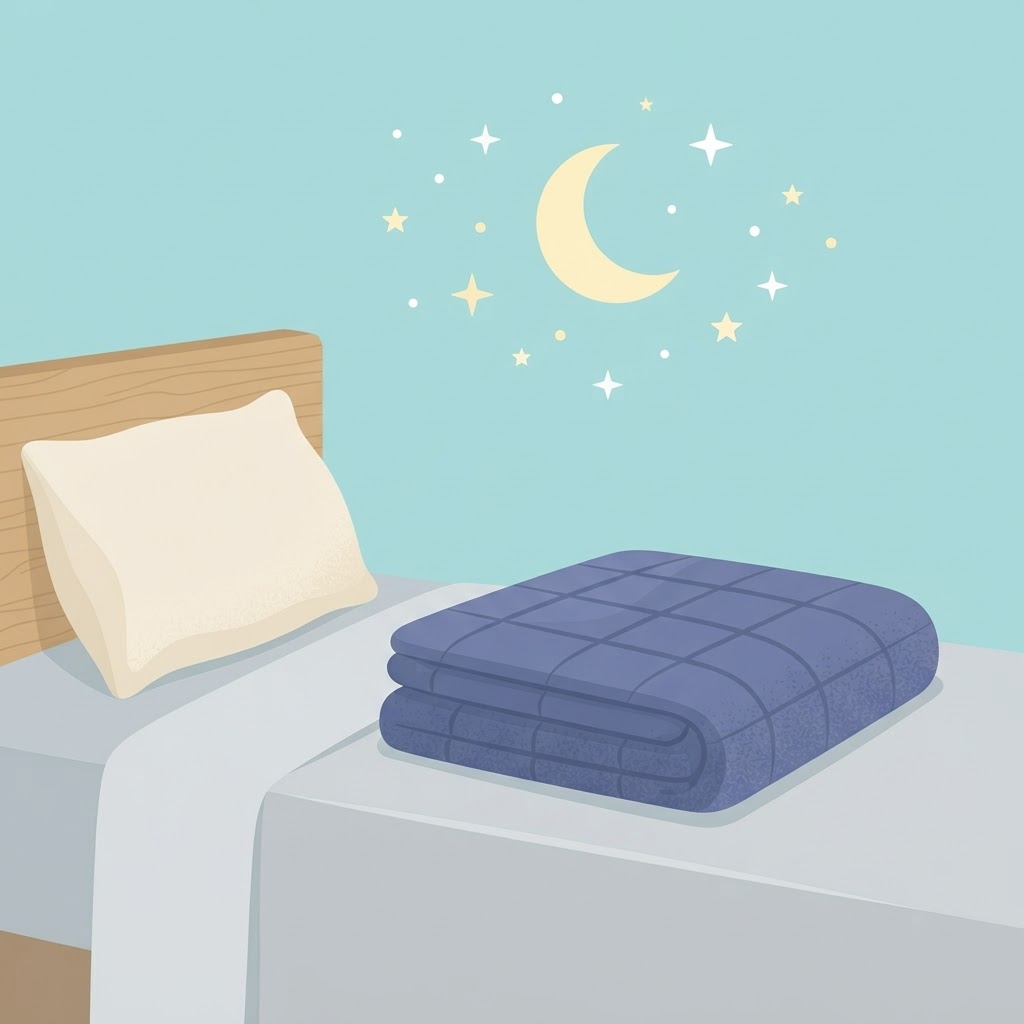
To understand why a weighted blanket ADHD approach helps so many neurodivergent individuals, it helps to look at sensory processing. Many people with ADHD experience sensory dysregulation, meaning their nervous system struggles to filter out background stimuli or settle down after a hyperactive day. A weighted blanket is constructed with internal pockets containing micro-glass beads or heavy plastic pellets that distribute uniform weight across your body.
This continuous physical pressure triggers a physiological response known as Deep Touch Pressure (DTP). Deep pressure therapy acts similarly to a firm hug, massage, or swaddling. When gentle pressure is applied to the skin and deep tissues, it stimulates proprioceptive input, the body's internal sense of location and movement. Research suggests that proprioceptive stimulation helps down-regulate an overactive sympathetic nervous system (fight-or-flight) while encouraging parasympathetic activation (rest and digestion). For someone struggling with restless legs, physical tension, or sensory overload, a weighted blanket ADHD intervention provides a grounding physical anchor at bedtime.
The Science: Does Research Support Weighted Blankets for ADHD Sleep?
When evaluating any sensory intervention, it is essential to distinguish between social media trends and clinical evidence. What does scientific research actually reveal about implementing a weighted blanket ADHD sleep strategy?
Clinical studies published in sleep medicine and occupational therapy journals indicate positive outcomes for neurodivergent populations. Research suggests that using a weighted blanket ADHD technique can decrease sleep onset latency, meaning individuals fall asleep faster. Study participants frequently report reduced night awakenings and improved subjective sleep quality. The gentle pressure appears to encourage serotonin and melatonin production while reducing cortisol, the body's primary stress hormone.
However, researchers also emphasize that a weighted blanket ADHD tool is a supportive aid rather than a standalone clinical cure. While studies indicate noticeable improvements in sleep efficiency, individual responses vary. Some people find immediate comfort in deep touch pressure, while others with specific tactile sensitivities require an adjustment period. If you have chronic insomnia, consult a doctor or healthcare professional as part of your overall care plan.
Who Suits Weighted Blankets and Critical Safety Guidelines
Before selecting a weighted blanket ADHD option for yourself or a family member, you need to verify who can safely use them and how to pick the right weight.
The 10% Body Weight Rule of Thumb
The standard rule of thumb when sizing a weighted blanket is to choose one that equals roughly 10% of your total body weight, plus or minus one to two pounds:
- 130 to 150 lbs: Choose a 12 lb to 15 lb weighted blanket.
- 160 to 190 lbs: A 15 lb to 20 lb blanket is generally ideal.
- 190 to 220+ lbs: A 20 lb to 25 lb blanket provides adequate deep touch pressure.
Selecting a blanket within this ideal weight range ensures therapeutic pressure without feeling restricted or overheated during the night.
Critical Safety Warnings and Precautions
While weighted blankets offer wonderful relaxation benefits, safety must always come first:
- Small Children and Toddlers: Never use a weighted blanket for infants or toddlers under 3 years old (or under 50 pounds). Small children lack the physical strength to push heavy covers off independently, posing a severe risk of suffocation.
- Breathing and Respiratory Issues: Individuals with asthma, sleep apnea, chronic obstructive pulmonary disease (COPD), or respiratory conditions should avoid heavy weighted blankets unless cleared by a physician.
- Circulatory and Mobility Limitations: People with circulation disorders, diabetes-related neuropathy, or impaired physical mobility should exercise extreme caution. The user must always be capable of removing the blanket unassisted.
- Medical Consultation Note: Always consult a doctor or healthcare professional before introducing deep pressure equipment to young children or individuals with medical conditions.
Essential Aids and Tools for ADHD Sleep and Evening Routines
Building a calming bedtime environment often requires a combination of sensory regulation tools. In addition to a high-quality weighted blanket ADHD setup, combining tactile, auditory, and routine-building aids can transform your evening. Explore these items in our curated ADHD Aids and Tools store category. Here are top recommended products:
1. Yescool Weighted Throw Blanket for Adults (20lbs, 60" x 80")
For adults looking for an effective deep pressure solution, the Yescool Weighted Throw Blanket for Adults 20lbs Queen Size is designed to provide uniform pressure across a queen bed or sofa setup. Weighing 20 lbs and measuring 60 by 80 inches, it fits adults in the 190 to 210 lb weight range. The balanced distribution of micro-beads helps reduce fidgeting and encourages nervous system grounding when settling down for sleep. You can check the current price on the product page.
2. Loop Quiet 2 Ear Plugs
Noise sensitivity is a major barrier to sleep for neurodivergent minds. The Loop Quiet 2 Ear Plugs offer up to 24 dB of noise reduction in a soft, flexible silicone design. They muffle background noises and household hums while remaining comfortable for side sleepers. Check the current price on the product page.
3. Trideer Wobble Cushion with Inflation Pump
Winding down before bed requires releasing excess physical energy accumulated throughout the day. The Trideer Wobble Cushion provides active seating that allows subtle wiggling and posture adjustments during evening reading, helping kids and adults channel restlessness before bed. Check the current price on the product page.
4. Pushpeel Sensory Activity Board
If bedtime anxiety keeps your hands moving, the Pushpeel Sensory Activity Board serves as a screen-free, silent tactile fidget tool. Featuring silicone strings, it gives hyperactive hands a calming task to focus on while listening to an audiobook. Check the current price on the product page.
5. Vibrating Alarm Watch & Pill Reminder
Maintaining a consistent bedtime schedule can be difficult when hyperfocus takes over. The Vibrating Alarm Watch provides silent vibration alerts to remind you when to start your evening wind-down routine without jarring audible alarms. Check the current price on the product page.
6. The Adult ADHD Self-Care Handbook
Understanding emotional and sensory triggers that derail nighttime rest is key to long-term improvement. The Adult ADHD Self-Care Handbook offers 21 practical strategies for regulating emotions, managing evening stress, and transforming sleep habits. Check the current price on the product page.
Comprehensive ADHD Sleep Tips Beyond Weighted Blankets
While incorporating a weighted blanket ADHD routine is a great step, sleep sensory tools work best when supported by broad sleep hygiene habits. Here are proven strategies to optimize your evening routine:
- Establish a Predictable Wind-Down Buffer: Set aside 60 to 90 minutes before bed as a screen-free transition zone. Dim bright lights to signal your brain that bedtime is approaching.
- Manage Evening Temperature: Because deep pressure blankets trap heat, keep your bedroom cool (65 to 68 degrees Fahrenheit) to prevent night awakenings.
- Perform Low-Stimulation Sensory Activities: Engage in gentle stretching, listen to pink noise, or practice quiet tactile fidgeting instead of scrolling on smartphones.
- Keep Caffeine Timed Properly: Avoid caffeine late in the afternoon and discuss medication timing with your prescribing physician to ensure stimulants do not interfere with sleep onset.
How to Choose the Right Weighted Blanket for ADHD
Selecting the right weighted blanket ADHD model involves looking at three key factors: fill material, outer fabric, and construction quality.
First, look for high-density micro-glass beads rather than plastic pellets. Glass beads are smaller, quieter, and distribute weight more evenly. Second, consider your personal body temperature. If you sleep hot, select breathable bamboo or cotton covers. If you seek cozy sensory warmth, plush fleece covers work well. Finally, ensure small square quilting (4 to 5 inches) to keep internal beads securely in place.
Frequently Asked Questions
Q1: Can a weighted blanket ADHD routine reduce nighttime anxiety?
Yes, research suggests that the deep touch pressure delivered by a weighted blanket ADHD routine helps stimulate parasympathetic nervous system activity, lowering heart rate and reducing physical anxiety symptoms before sleep.
Q2: Is a weighted blanket ADHD friendly for hot sleepers?
Hot sleepers can comfortably use a weighted blanket ADHD option by choosing models made with cooling bamboo or 100% breathable organic cotton covers paired with glass bead fill rather than synthetic materials.
Q3: What weight weighted blanket ADHD adults usually need?
Most adults choosing a weighted blanket ADHD product benefit from a blanket calculated at 10% of their body weight plus 1 to 2 lbs. For instance, a person weighing 150 lbs typically chooses a 15 lb blanket.
Q4: How long does it take to get used to a weighted blanket?
Most people adapt within 3 to 7 nights. If the blanket initially feels heavy, try covering only your legs for the first few evenings before pulling it up over your body.
Q5: Can children with ADHD use weighted blankets safely?
Older children and teens can use weighted blankets safely provided the blanket matches 10% of their body weight and they can easily lift it off themselves. Never use weighted blankets for toddlers or infants under 3 years old.
The Bottom Line
If night after night of tossing and turning is leaving you exhausted, adding a weighted blanket ADHD sleep aid to your nightly routine can provide natural grounding and comfort. By soothing an overstimulated nervous system through deep touch pressure, a weighted blanket ADHD solution helps ease restlessness and supports deeper sleep. Pair your blanket with supportive sensory tools from our collection, follow proper weight sizing guidelines, and consult a medical professional if you have health concerns.
New to ADHD? Start Here
Every guide on this site is part of one bigger picture. If you're new to ADHD (or supporting someone who is), read our complete guide Understanding ADHD: Causes, Symptoms, and Treatment - it covers what ADHD is, how it's diagnosed, and the treatment options that actually work, from medication and therapy to daily strategies.
